The short answer
A good roof inspection ends with evidence: photos of each finding, where it is, and what was not checked. If you already have a recommendation from someone, use the checklist below to test whether it explains its evidence.
Does the recommendation explain the evidence?
Use this after any inspection or estimate, from anyone. Check what is true.
Your check: Evidence check: 0 of 6 boxes checked. Unchecked items are worth asking about.
0:54 narrated video with captions
Roof Inspection in Edmond, OK: What a Good One Covers
Takeaway: An inspection gives you evidence, not a sales pitch.
Read the transcript
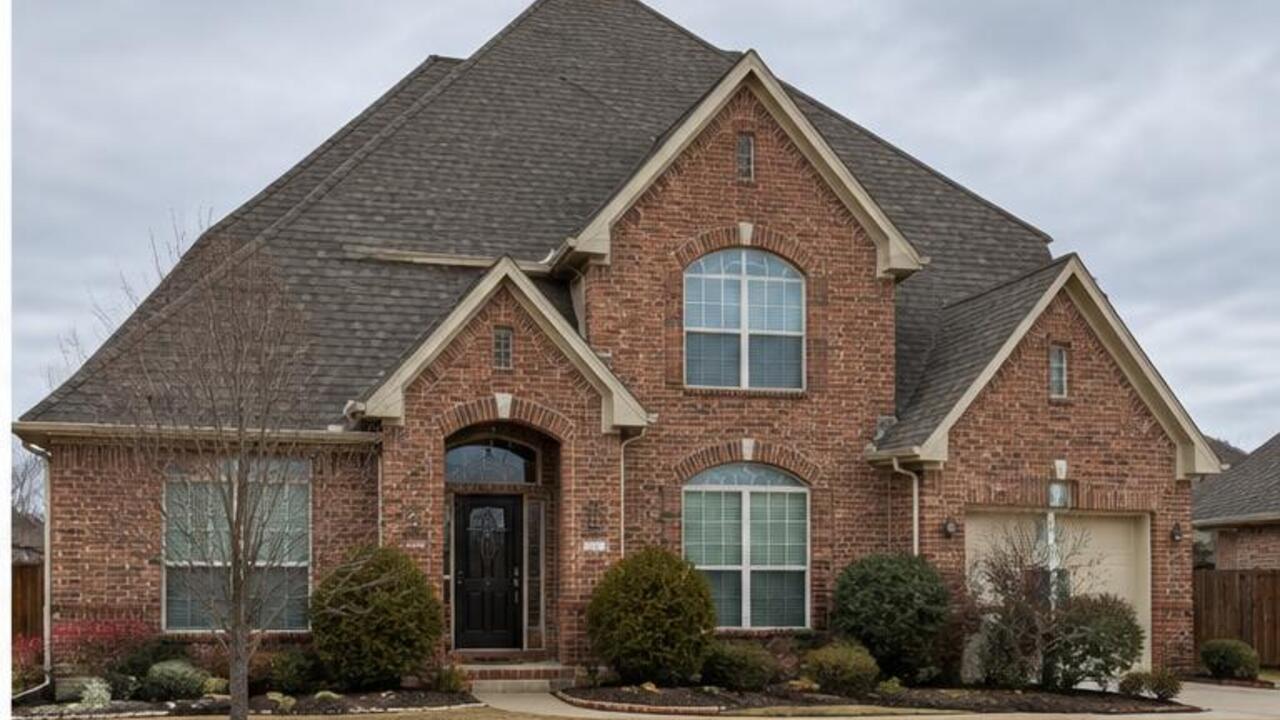
A roof inspection answers one question. What is actually happening on your roof right now. In Edmond, hail and wind make that worth checking after big storms and before you buy or sell. A careful inspector looks at shingles, flashing, pipe boots, valleys, vents, and gutters. They note what is worn, what is damaged, and what is fine. Ask them to show you photos of each finding. If it is safe to reach, the attic shows stains, damp wood, and daylight where it should not be. This is where hidden leaks leave their trail. Never enter an attic that feels unsafe. A useful report names each problem, shows where it is, and says what was not checked. It separates what needs fixing now from what to watch. Vague words like looks good are not a report. Edmond Roof Repair is a referral service. Send a short request and we pass it to a local partner roofer who covers your area. You decide what happens after that.
AI-made example scenes and AI voice, not footage from a verified Edmond property or customer job.
Why get an inspection
In Edmond, hail and wind are the big reasons. Damage from a storm can hide for months before it leaks. Inspections also make sense before you buy or sell a home, when you spot a stain, or every couple of years as a checkup.
After a storm, an inspection also creates a dated record. That matters if you later file an insurance claim. See the Oklahoma storm claim guide.
What a thorough inspection checks
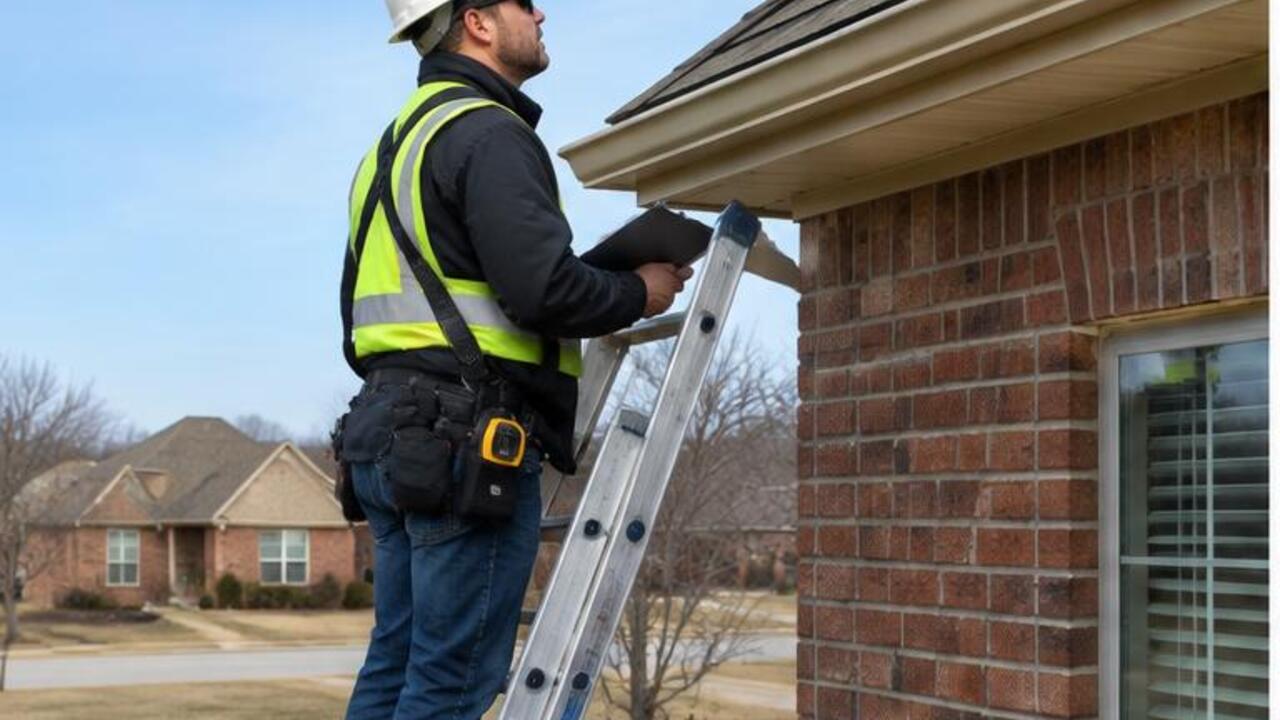
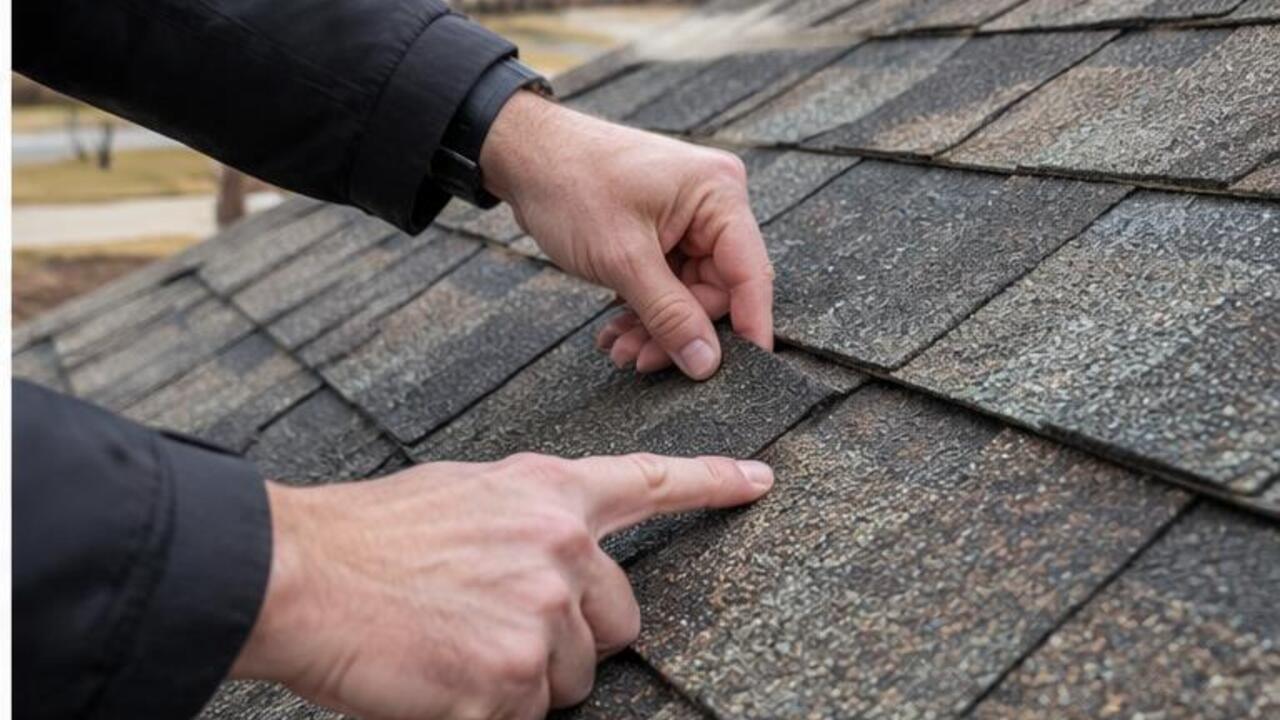
- Shingles: missing, lifted, creased, cracked, or losing granules.
- Flashing: the metal at walls, chimneys, skylights, and valleys.
- Penetrations: pipe boots and vents, where rubber collars crack with age.
- Drainage: gutters, downspouts, and spots where water ponds.
- Structure: sagging lines and soft decking.
- Inside: ceilings and the attic, where it is safe to look.
The attic tells the truth
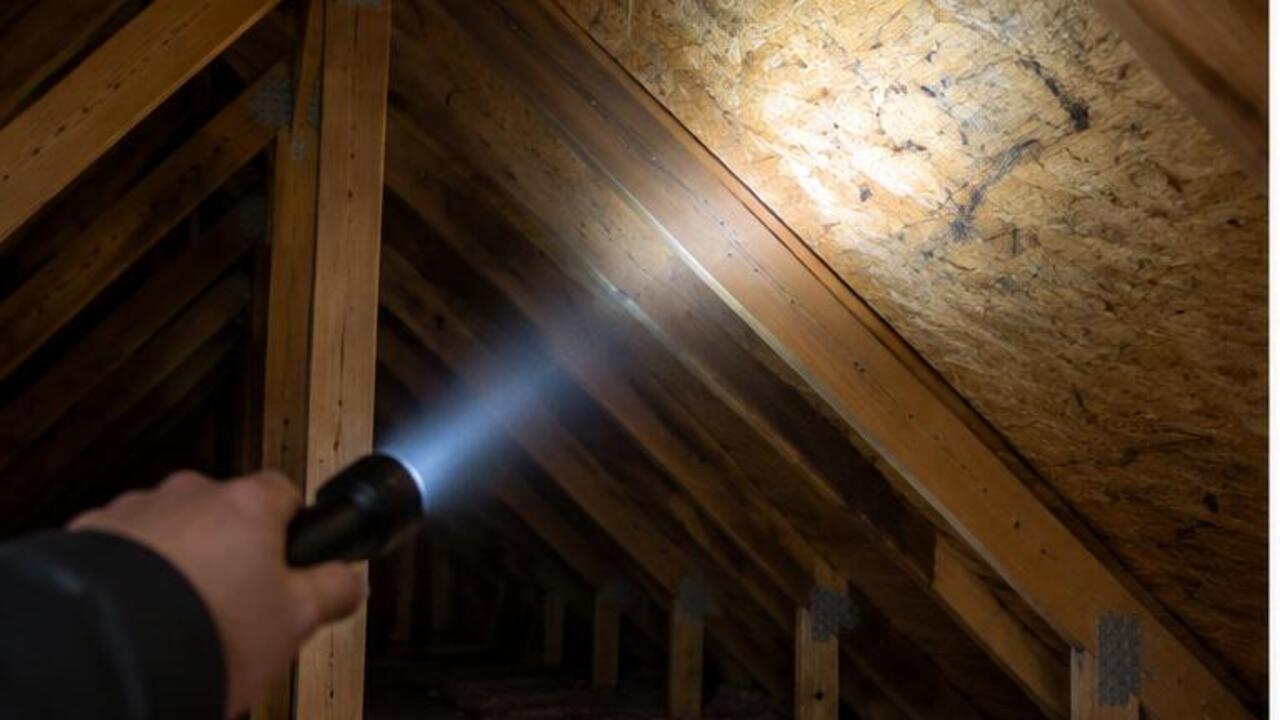
The roof surface hints. The attic confirms. Stains, damp wood, mold, and daylight where it should not be all show up here first. If your attic is safe to reach, ask the inspector to look and to photograph what they find.
Never enter an attic that feels unsafe: no solid footing, wet surfaces, or a sagging ceiling below. Leave that to the professional.
What a useful report says
A useful report names each problem, shows where it is with a photo, and separates what needs fixing now from what to watch. It also says what was not checked. Vague words like "looks good" are not a report.
If the inspection leads to work, the findings become the basis of a written scope. See what a clear one looks like on the roof repair page or the roof replacement page.
Every inspection has limits
Some areas may be too steep, too wet, or hidden under layers. Weather can delay a safe look. An honest inspector tells you what they could not check, and an inspection is a snapshot of today, not a guarantee about next year.
What happens after you request an inspection?
Edmond Roof Repair is a referral service. We do not do roofing work ourselves. When you send a request, we save it and work to pass it to a local partner roofer who covers your ZIP code. Saving a request is not the same as booking a visit. Timing, any fees, and the visit itself are confirmed when someone contacts you. Check that we cover your street on the service area page.
Roof inspection questions
Want to know what is on your roof?
Send a short request. Say what you have noticed, if anything.
Request an Inspection