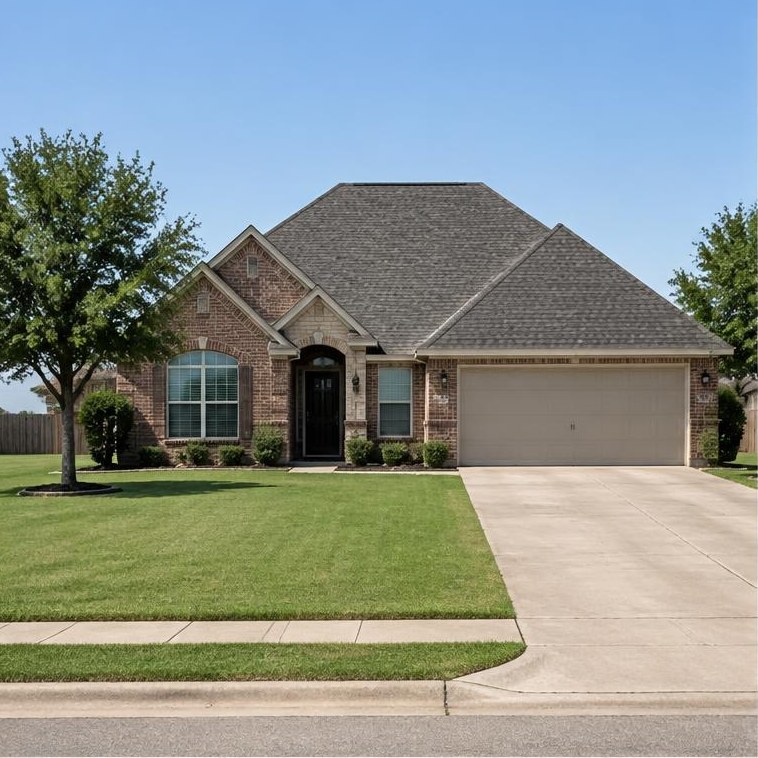
0:54 narrated video with captions
Oklahoma Storm Insurance Claim Guide: What to Check and Ask
Takeaway: For a suspected Oklahoma storm loss, start with dates, safe photos, and your own observations.
Read the transcript
For a suspected Oklahoma storm loss, start with dates, safe photos, and your own observations. Do not assume damage is covered or invent a storm event to fit a roof concern. Note missing or creased shingles from safety. A professional can inspect inaccessible areas and explain findings. Do not climb a wet roof or enter an attic you believe is unsafe. Dented vents may be part of a record, but they do not establish hail size or a whole-roof replacement. Ask for clear locations and separate evaluation of roof materials. Record affected rooms only if safe. Keep clear of bulging ceilings and wet electrical equipment. Ask your insurer about reporting deadlines, deductible, depreciation, and required records under your actual policy. Keep your documents ready and request help with your ZIP and roof concern. This referral service does not decide coverage, waive deductibles, or promise a claim outcome when you submit a request.
AI-made example scenes and AI voice, not footage from a verified Edmond property or customer job.
1. Document right away
Take dated photos of the roof (from the ground), gutters, siding, windows, and any inside water damage. Write down the storm date.
2. Get an inspection
A roofer can confirm whether there's real storm damage before you file.
3. Know your deductible
Many Oklahoma policies have a separate wind/hail deductible. Some are a set dollar amount; some are a percentage of your home's insured value. Check yours.
4. File and meet the adjuster
Your insurer sends an adjuster to inspect. You can ask your roofer to be there to point out damage.
5. Watch for scams
Avoid anyone who offers to waive or pay your deductible, pressures you to sign right away, or wants full payment before work starts.
- Ask for a local address
- Ask for proof of insurance
- Get everything in writing
Failure diagnostics: what to look for
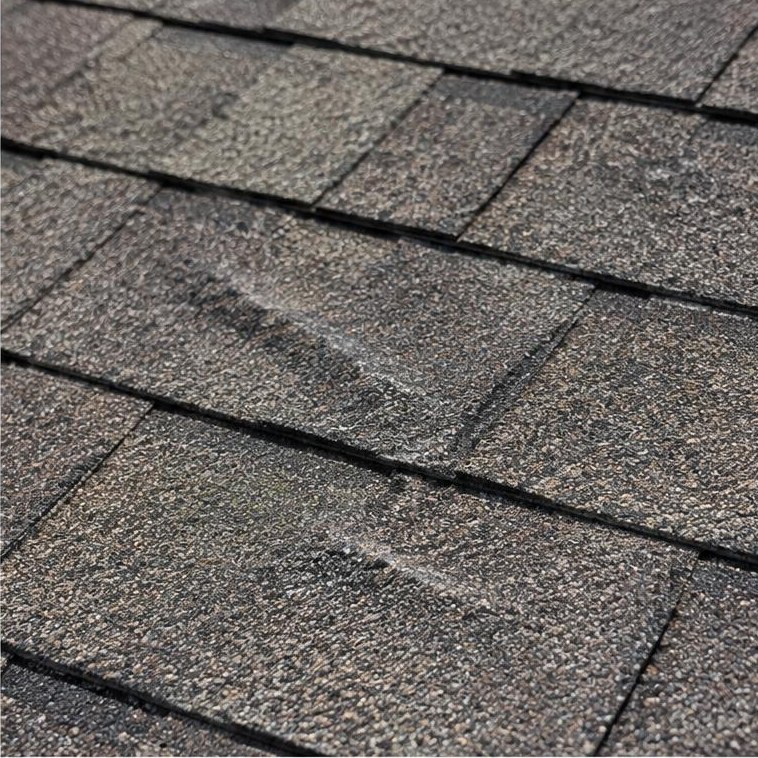
Creased shingles
- What You See
- The roof surface shows wear, creases or a missing section.
- The Hidden Hazard Below
- A surface defect may expose lower layers. The extent and cause cannot be settled from this example.
- The Correct Repair
- Ask whether localized repair can integrate with sound materials and which findings justify broader work.
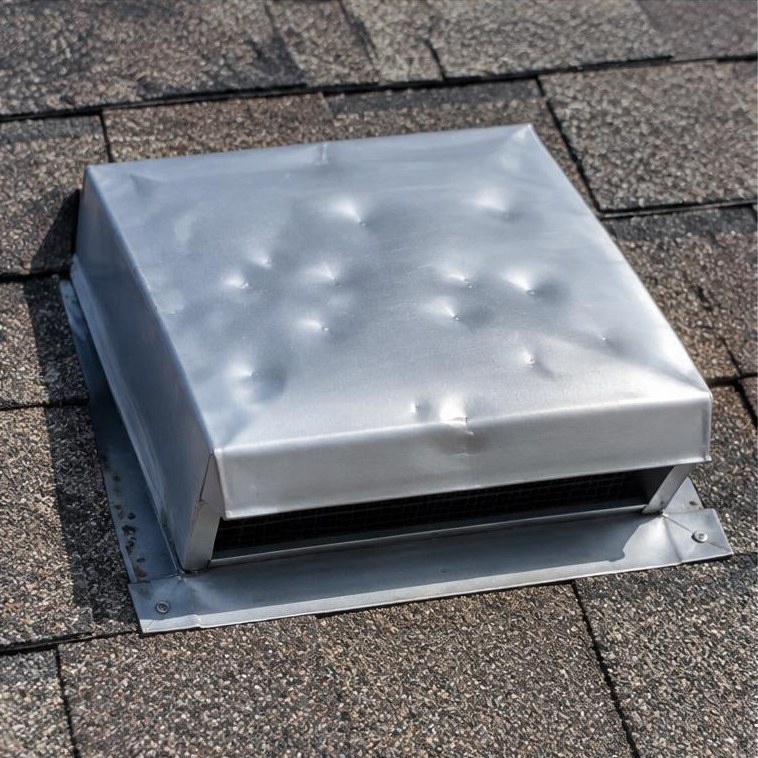
Dented metal roof vent
- What You See
- Dents or damage appear on a metal roof component.
- The Hidden Hazard Below
- Dents do not establish hail size, a roof leak, or an insurance outcome by themselves.
- The Correct Repair
- Ask for dated observations and a separate assessment of nearby roof materials.
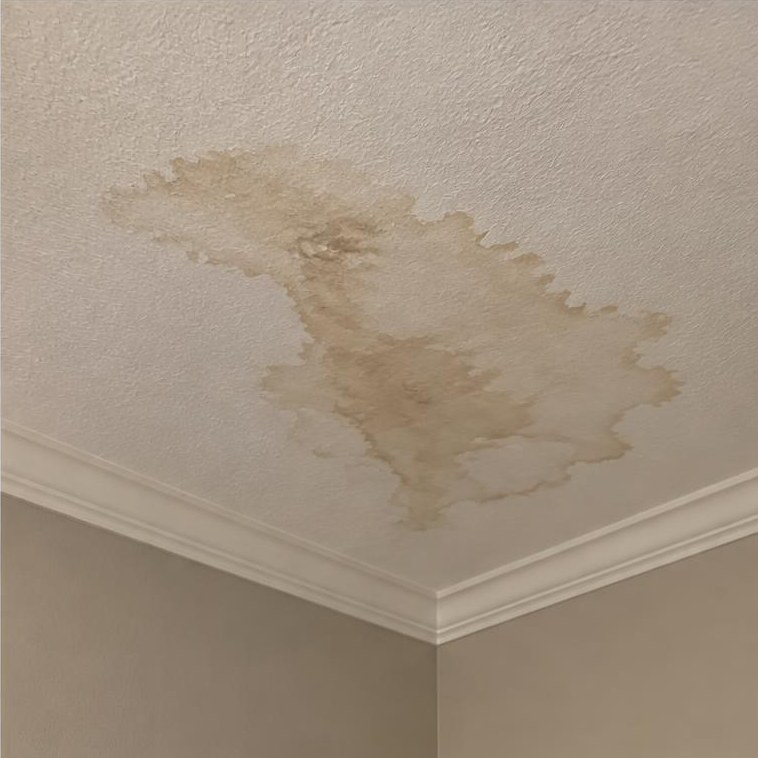
Interior ceiling stain
- What You See
- Discoloration shows where moisture appeared, not necessarily where it entered.
- The Hidden Hazard Below
- Water can travel along wood before it shows indoors. Plumbing and condensation may also need to be ruled out.
- The Correct Repair
- Have the source evaluated before cosmetic work. Keep clear of sagging ceilings and wet electrical equipment.
AI-made educational examples, not photos of verified local properties or customer jobs. These images do not diagnose your roof.