
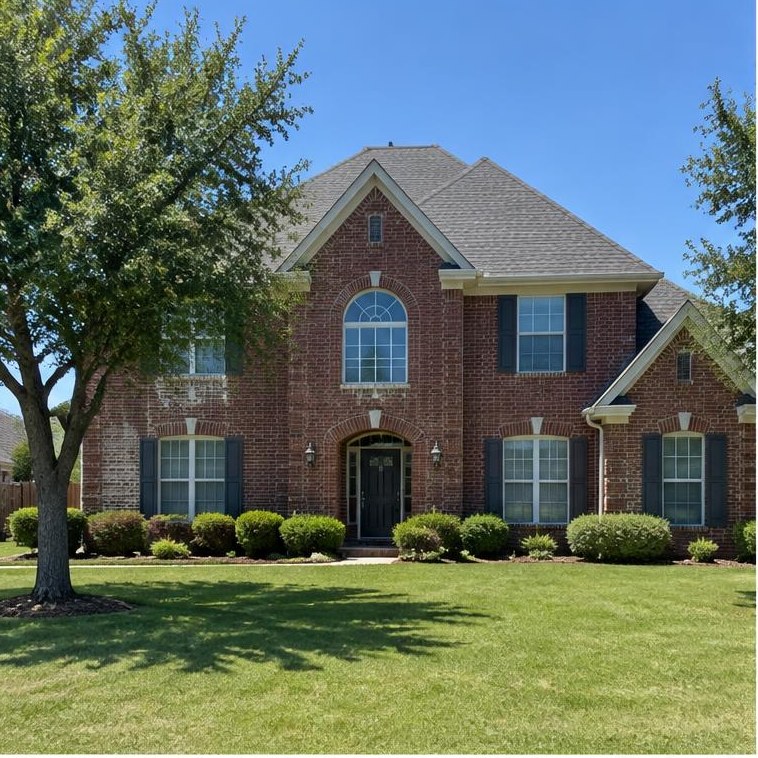
0:54 narrated video with captions
Roof Flashing Leaks: What to Check and Ask
Takeaway: A suspected flashing leak starts with the junction: a wall, chimney, or roof penetration.
Read the transcript
A suspected flashing leak starts with the junction: a wall, chimney, or roof penetration. Describe when moisture appears and what earlier work changed, rather than assuming any visible caulk is the cause. Flashing must integrate with roof coverings and the adjoining structure. Ask a professional which layers are visible, which remain concealed, and what confirmed fault the proposed repair will address. Interior wood stains may show a path away from the opening. The assessment should connect observations to the proposed source. Keep clear of unsafe attics, bulging ceilings, and wet electrical equipment. Replacing integrated flashing and applying surface sealant are not necessarily equivalent jobs. Ask for materials, related shingle or masonry work, exclusions, and how hidden damage will be approved in writing. Share your ZIP, leak history, and safe photos if available. Request an assessment that explains the source. The example photos are educational and do not diagnose your roof or book a visit.
AI-made example scenes and AI voice, not footage from a verified Edmond property or customer job.
How flashing fails
Heat and cold make metal expand and shrink. Over years, nails back out, sealant cracks, and flashing pulls away. Storms speed it up.
The fix
Small gaps can be resealed. Bent, rusted, or badly installed flashing should be replaced, which often means lifting the nearby shingles.
Failure diagnostics: what to look for
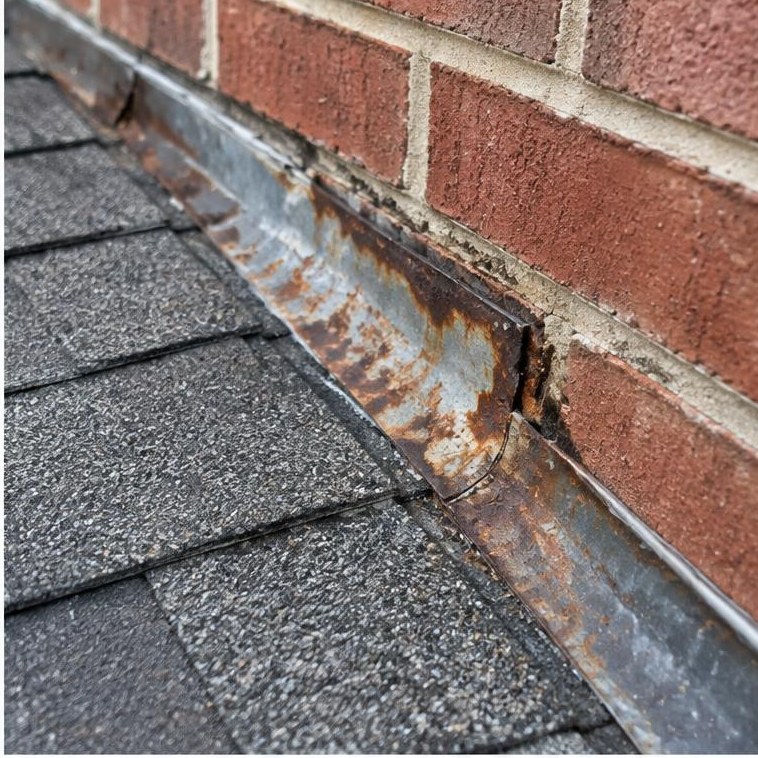
Flashing at a brick wall
- What You See
- This is a roof-to-wall or chimney junction.
- The Hidden Hazard Below
- Water may pass behind loose, worn or poorly integrated flashing. The concealed layers are not visible here.
- The Correct Repair
- Ask for an explanation of the flashing layers and a written scope that addresses the confirmed fault.
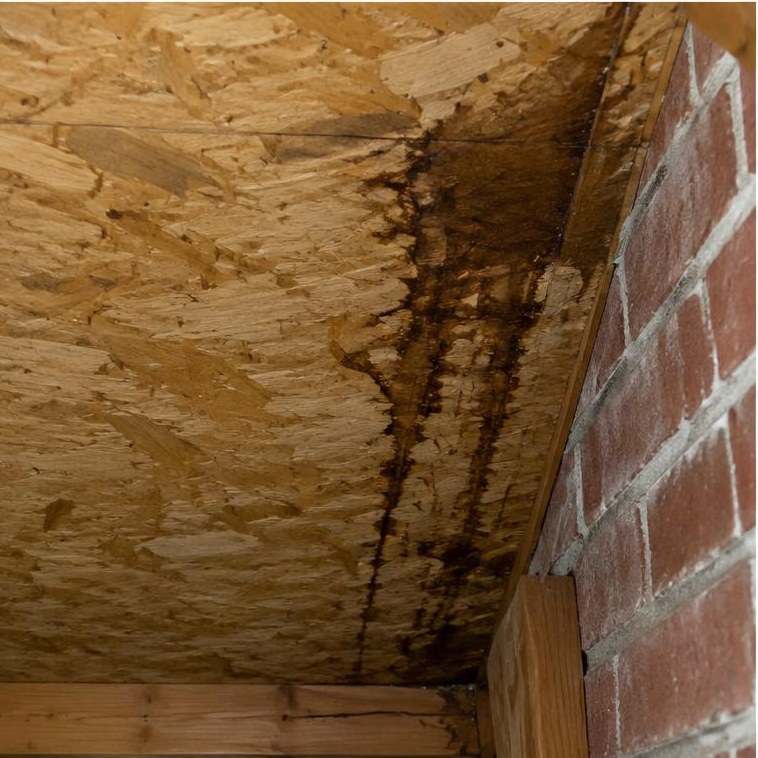
Stained roof wood
- What You See
- Discoloration shows where moisture appeared, not necessarily where it entered.
- The Hidden Hazard Below
- Water can travel along wood before it shows indoors. Plumbing and condensation may also need to be ruled out.
- The Correct Repair
- Have the source evaluated before cosmetic work. Keep clear of sagging ceilings and wet electrical equipment.
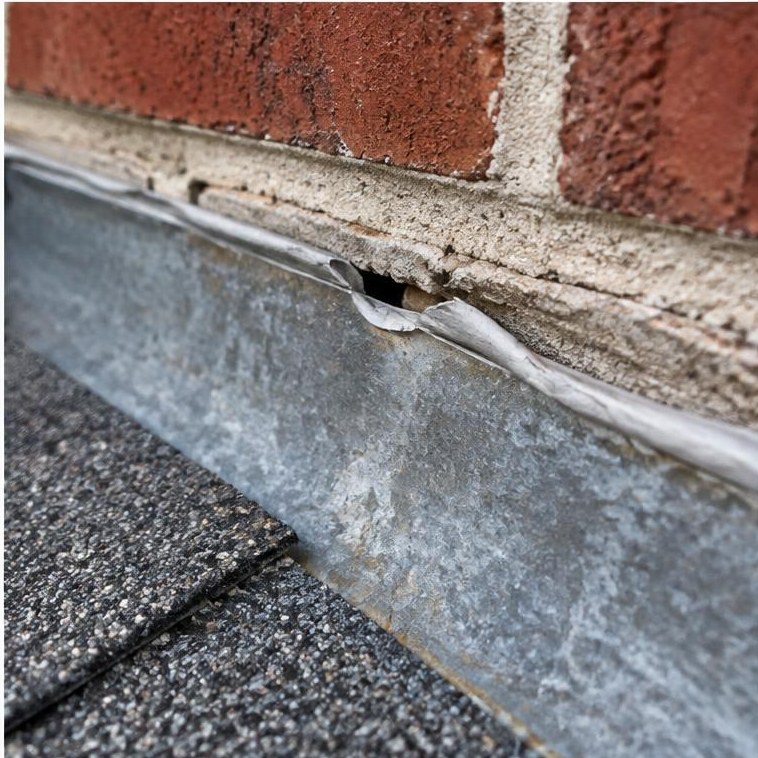
Chimney flashing detail
- What You See
- This is a roof-to-wall or chimney junction.
- The Hidden Hazard Below
- Water may pass behind loose, worn or poorly integrated flashing. The concealed layers are not visible here.
- The Correct Repair
- Ask for an explanation of the flashing layers and a written scope that addresses the confirmed fault.
AI-made educational examples, not photos of verified local properties or customer jobs. These images do not diagnose your roof.